


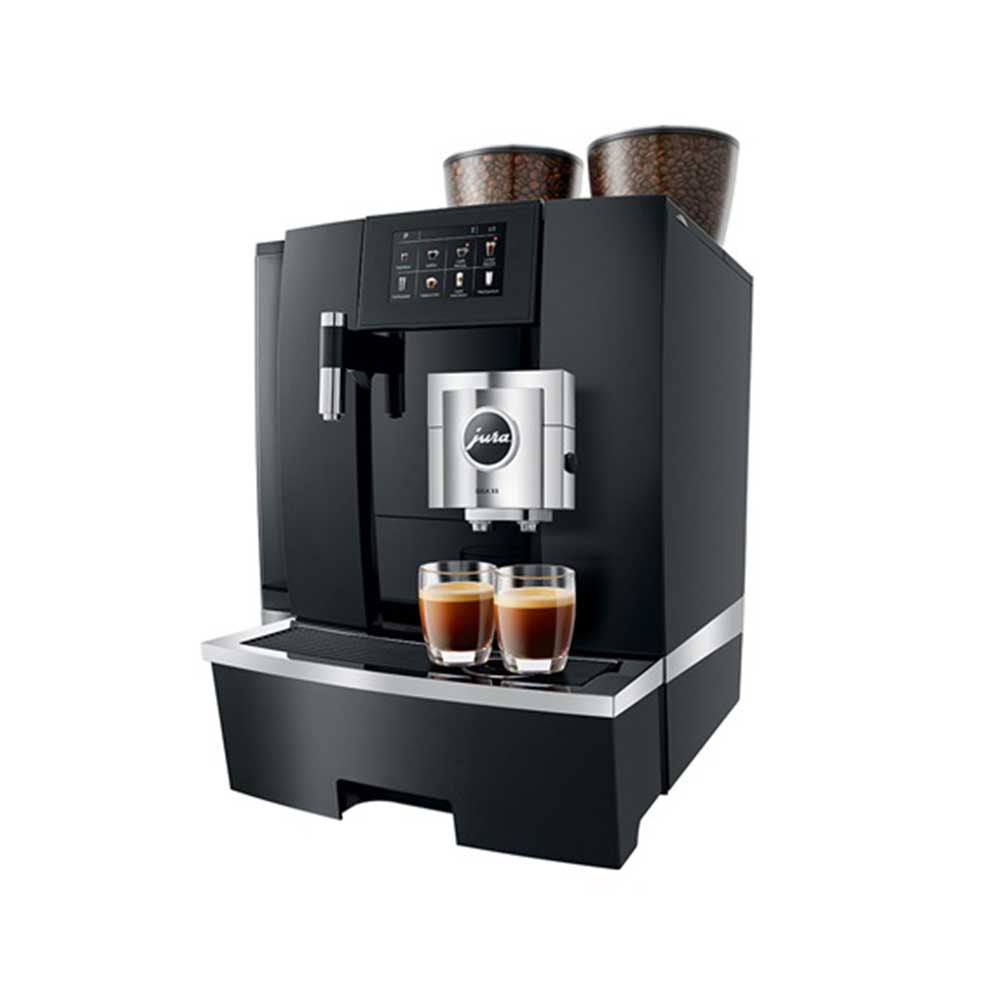
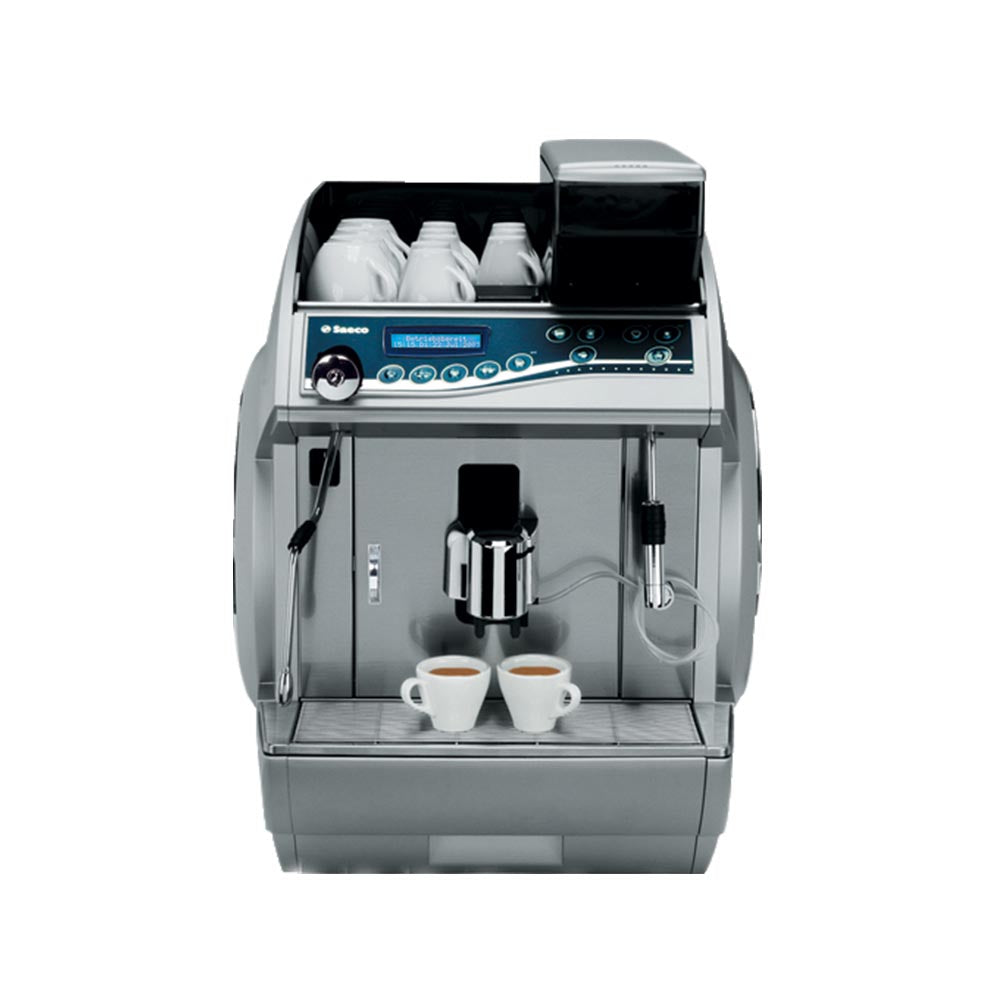
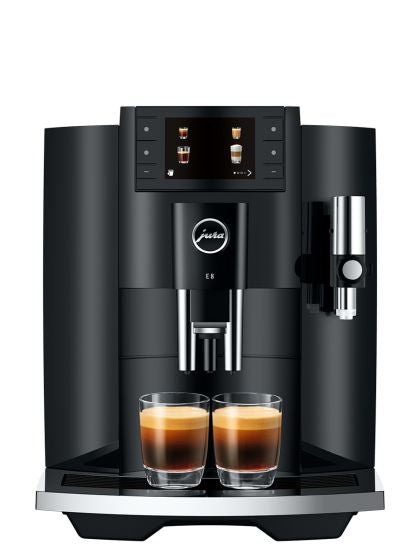





The essence of espresso goes beyond its caffeine content. The beverage requires three fundamental elements which include depth and balance and body. Roasters select the finest espresso beans for their roasting process which produces powerful tastes and rich crema through short pressurized brewing methods. Here are the materials needed to create this product.
1. Roast Profile
- Roasts should be selected between medium-dark and dark roast levels.
- The extended roasting process leads to sugar caramelization which gives the body while decreasing acidity. Perfect for espresso’s concentrated format.
2. Bean Blend
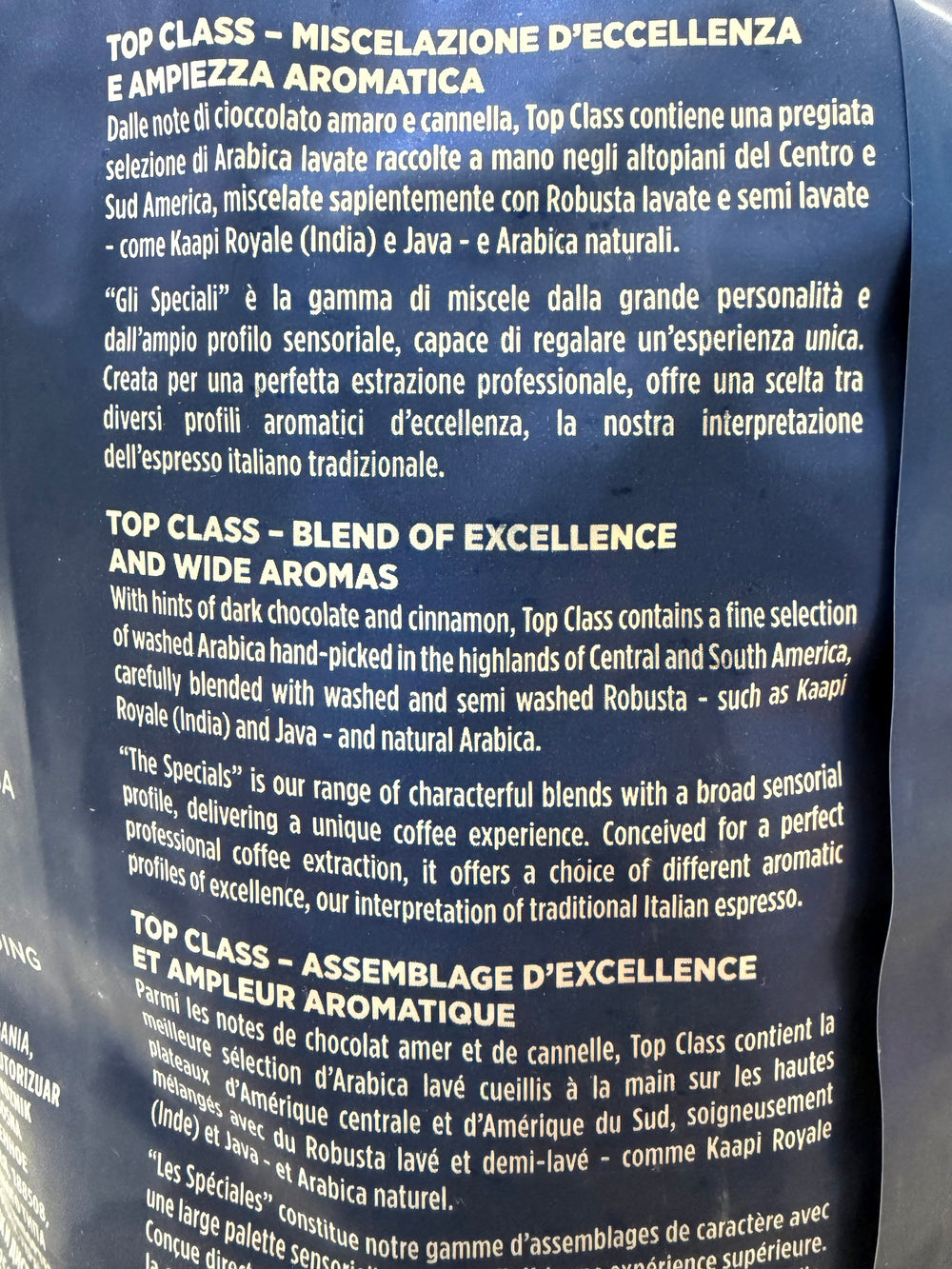
- Single-origin beans can highlight distinct notes (like citrus or floral).
- Blends provide an equilibrium between body and acidity and flavor complexity.
- What most espresso lovers prefer for consistency and crema.
- Espresso-experts create their optimal shot through precise blend selection which produces a full taste without introducing any bitter notes.
3. Grind Size
- Espresso requires a fine grind. The powder should reach a specific density which allows extraction between twenty and thirty seconds.
- Even the best beans won’t perform well without a consistent grind.
4. Freshness & Roast Date
- Espresso requires freshly roasted beans which should be used no more than two to four weeks after their roasting date.
- Beans that are too old lose aromatics and crema potential.
- Our beans are small-batch roasted and shipped fresh, right from Dubuque.
5. Flavor Notes That, Under Pressure, Truly Shine
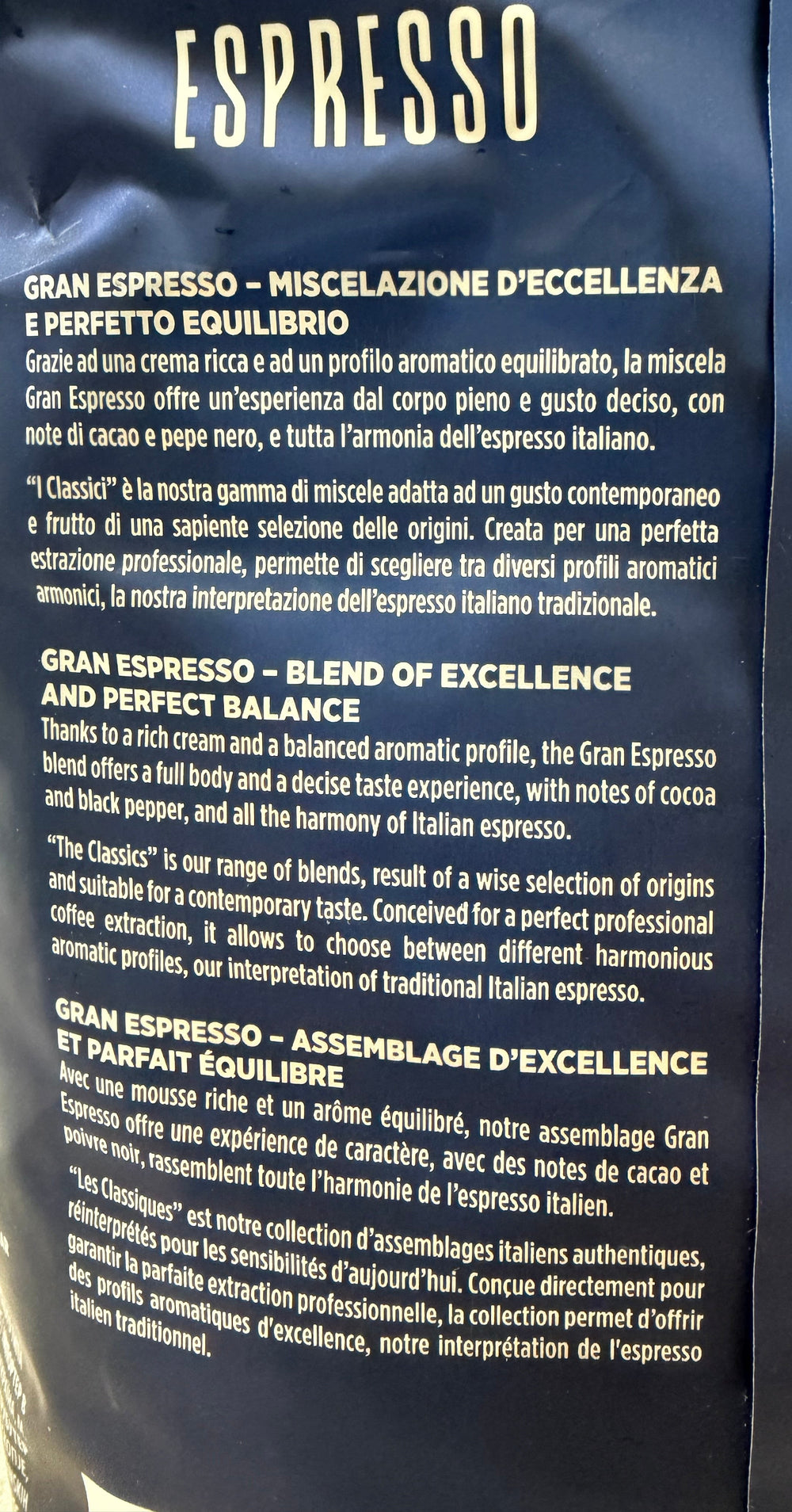
Great espresso beans are low in acidity, have a dense crema, and are described by points such as:
- Nuts
- Dark fruit or subtle spice
- Chocolate
- Caramel